The global energy landscape is rapidly shifting, with renewable energy sources like solar power leading the charge toward a cleaner, greener future. Among the many innovations in solar technology, HMS Photovoltaik‘s gaining significant attention for its efficiency, sustainability, and cost-effectiveness. If you’re considering solar power for your home or business, HMS Photovoltaik might be the solution you’ve been waiting for.
What is HMS Photovoltaik?
HMS Photovoltaik’s a cutting-edge solar technology that captures sunlight and converts it into electricity. Built on the principles of photovoltaic (PV) systems, HMS Photovoltaik stands out for its high efficiency and environmental benefits. This system uses advanced materials and design principles to produce clean energy, reducing reliance on traditional, fossil fuel-based power sources.
Key Features of HMS Photovoltaik
- High Efficiency: HMS Photovoltaik systems are designed for optimal energy conversion, maximizing power output per square meter of solar panel.
- Sustainability: These systems utilize eco-friendly materials and are built to last, reducing both energy costs and environmental impact over time.
- Scalability: HMS Photovoltaik can be adapted for small residential installations or large-scale industrial setups, offering a versatile solution for all energy needs.
How Does HMS Photovoltaik Work?
At the heart of HMS Photovoltaik technology is the photovoltaic cell. These cells are responsible for capturing sunlight and converting it into electricity. Here’s a step-by-step breakdown of how the system works:
Step 1: Sunlight Absorption
The system begins when sunlight hits the photovoltaic cells on the Photovoltaik panels. The cells are made of semiconductor materials (usually silicon) that absorb photons from sunlight. This interaction excites electrons in the material, causing them to flow and create a direct current (DC).
Step 2: Conversion to Usable Power
The DC electricity generated by the panels is not suitable for direct use in most homes and businesses. Therefore, it is sent to an inverter, which converts the DC power into alternating current (AC), the type of electricity used by most household appliances and machines.
Step 3: Energy Storage (Optional)
If the system is connected to a battery storage system, any excess energy produced during the day is stored for use during nighttime or cloudy days. This feature is particularly important for energy independence and ensuring a continuous supply of electricity.
The Benefits of HMS Photovoltaik
There are many reasons why HMS Photovoltaik‘s becoming a popular choice for homeowners, businesses, and industries worldwide. Here’s a breakdown of its key benefits:
1. Environmental Benefits
Solar energy is a clean, renewable source of power. You reduce your reliance on fossil fuels, which helps lower carbon emissions and fight climate change. The system’s use of recycled materials and eco-friendly manufacturing processes further minimizes its environmental footprint.
2. Cost Savings
Although the initial installation cost of an HMS Photovoltaik system can be high, the long-term savings are significant. By generating your own electricity, you can drastically reduce your energy bills. Additionally, many countries offer government incentives or tax rebates for installing solar systems, which can help offset the upfront cost.
3. Energy Independence
One of the most appealing aspects of solar power is the potential for energy independence. By generating your own power with an HMS Photovoltaik system, you’re less reliant on local utilities, which can be subject to fluctuating prices and outages. If connected to a battery storage system, you can also have backup power during grid failures.
4. Low Maintenance Requirements
Once installed, HMS Photovoltaik systems are relatively low maintenance. With no moving parts, these systems require minimal upkeep. Regular cleaning of the panels to remove dust and debris is usually sufficient to maintain optimal performance.
Applications of HMS Photovoltaik
Is a versatile solar solution that can be used in various settings. Here are some of the most common applications:
Residential Use
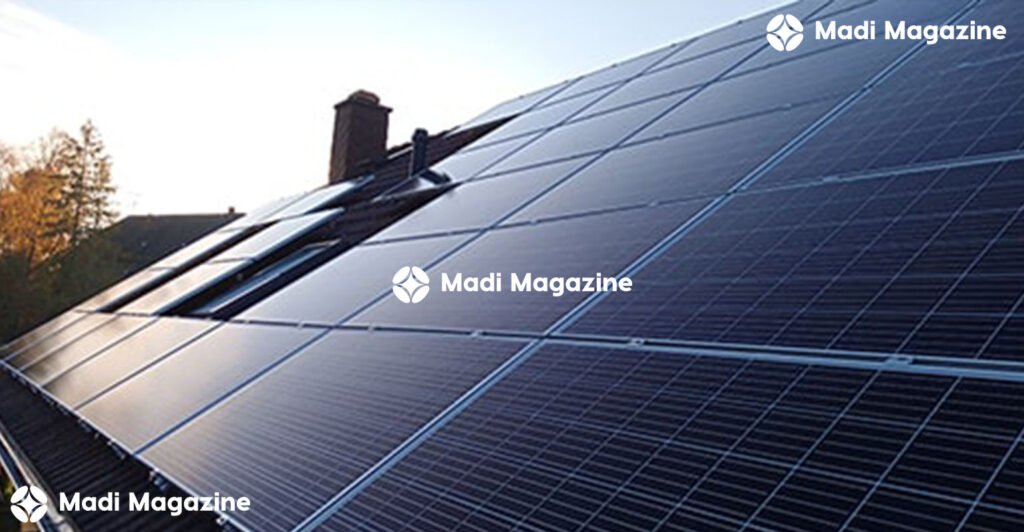
For homeowners, HMS Photovoltaik systems provide an excellent way to reduce electricity costs and increase home value. By installing solar panels on the roof or integrating solar energy into their homes, homeowners can generate clean energy, reduce bills, and lower their carbon footprint.
Commercial and Industrial Use
Businesses are increasingly adopting solar energy as a way to cut operational costs and improve sustainability. Whether it’s a small office building or a large factory, HMS Photovoltaik can be scaled to meet various energy demands. Businesses can even sell excess energy back to the grid in some regions, providing an additional revenue stream.
Pros and Cons
Pros
- Eco-Friendly: Solar power is a renewable, clean energy source that helps combat climate change.
- Cost Savings: After installation, solar power reduces monthly energy bills.
- Energy Independence: Solar energy allows for self-sufficiency and protection against energy price fluctuations.
- Long Lifespan: Most solar panels last for 25 years or more with minimal maintenance.
Cons
- Initial Investment: The upfront cost of systems can be high, though it can be mitigated through incentives and long-term savings.
- Weather Dependency: Solar power generation is dependent on sunlight, and energy output can decrease during cloudy or rainy days.
- Space Requirements: For larger systems, panels require significant roof space or land, which may not be available for everyone.
Conclusion
As we move toward a future of renewable energy, HMS Photovoltaik stands out as a powerful, efficient, and sustainable solar solution. Whether you’re looking to reduce your energy bills, contribute to a greener planet, or achieve energy independence, HMS Photovoltaik provides the technology to make it happen.
While there are some upfront costs involved, the long-term benefits far outweigh them. By installing an HMS Photovoltaik system, you’re investing in both your future and the planet’s.
FAQs
Q1: What is the efficiency of HMS Photovoltaik systems?
Systems boast efficiencies of over 20%, significantly higher than many traditional solar panels, meaning more energy production from fewer panels.
Q2: How long do HMS Photovoltaik systems last?
With proper maintenance, HMS Photovoltaik systems typically last 25 years or more, providing reliable, renewable energy for decades.
Q3: Are there incentives for installing HMS Photovoltaik?
Yes, many countries offer incentives, tax credits, and rebates for installing solar panels. These can greatly reduce the initial installation cost.
Visit More: Madi Magazine